
Introduction
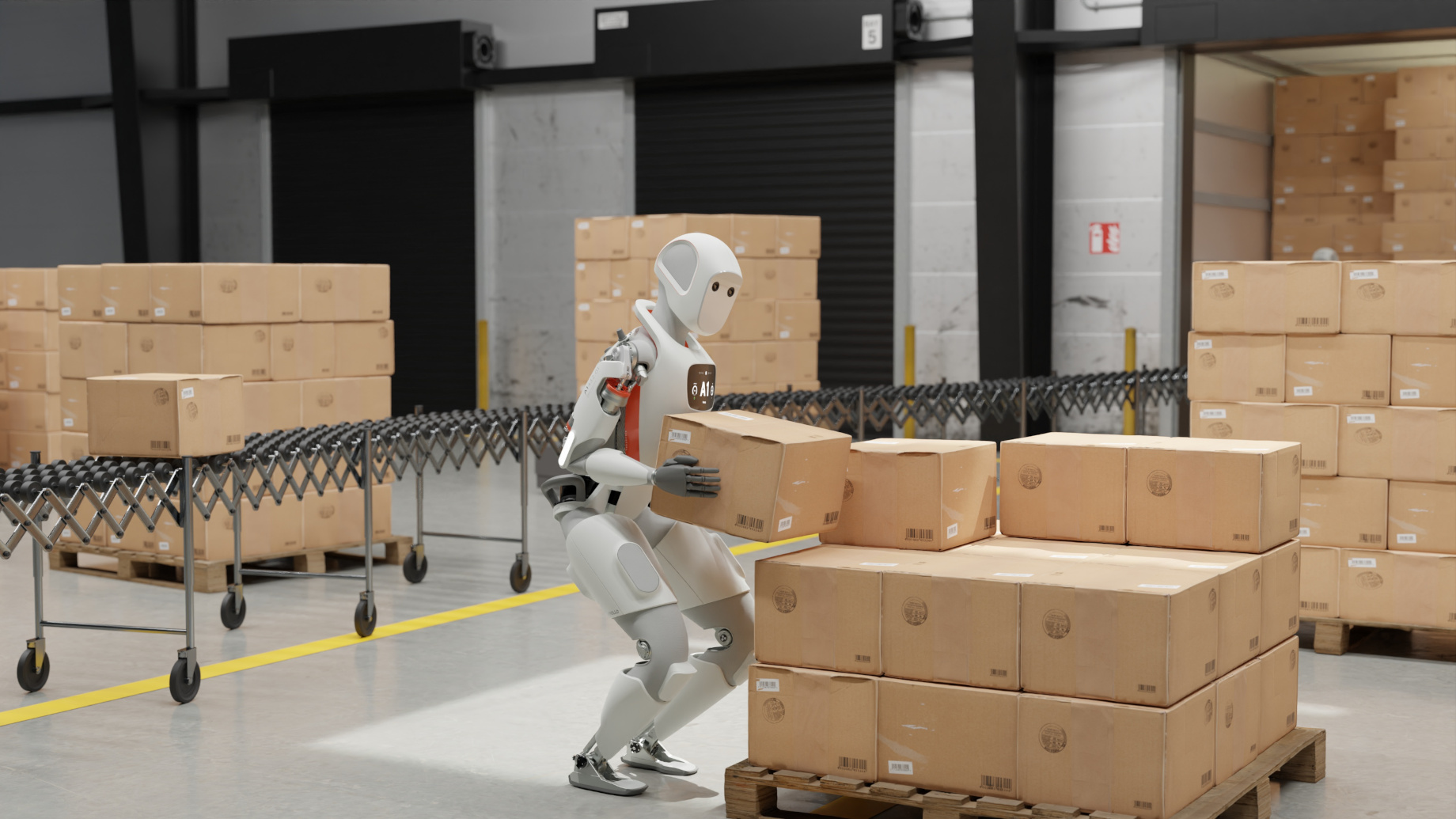
The rise of robots working in factories has become a cornerstone of modern industrial automation. From assembly lines to warehouses, companies are increasingly relying on advanced robotics to boost productivity and precision. Enter Apptronik Apollo, a cutting-edge work robot designed to redefine efficiency in industrial settings while hinting at a future where the robotic workforce extends beyond factory floors.
Apptronik Apollo in Industrial Settings
The Apptronik robot stands out in demanding factory environments thanks to its precision engineering, AI-driven adaptability, and rugged durability. For example, in automotive assembly lines, Apollo’s advanced sensors and machine learning algorithms enable it to perform complex tasks like part alignment and quality checks with minimal human oversight, the company is working with manufactures like Mercedes and could help identify more tasks for automation over time. These robots at work are not just replacing manual labor they are enhancing safety by handling hazardous materials and reducing human error. According to Apptronik, early adopters have reported 20% faster production cycles and 15% lower operational costs.
Key Features & Innovations
- Adaptive Grippers: Handle objects of varying shapes and weights, ideal for logistics.
- AI Integration: Real-time data analysis for predictive maintenance and workflow optimization.
- Modular Design: Easily reprogrammable for multiple tasks, from welding to packaging.
These features position Apollo as a versatile work robot capable of scaling with industry needs.
Beyond Factories: Apollo’s Versatility
While Apollo excels in factories, Apptronik envisions a future where this platform adapts to roles like a robot for household tasks. Imagine Apollo assisting with elderly care, managing domestic chores, or even maintaining smart homes. Such cross industry potential underscores its role as a catalyst for innovation. However current price target of around $50,000 per robot might not be very cost effective for home usage (Source: TechCrunch).
Conclusion
Apptronik Apollo represents a significant leap forward in industrial robotics. By enhancing productivity in factories and hinting at household applications. However with the robots solutions from Boston Dynmaics Atlas, Tesla Optimus and Chinese manufacturers like BridgeDP and Unitree this land scape is going to get interesting. As robots continue to evolve, we can expect to see increased adoption in various industries, including household applications. With its promise to enhance productivity, efficiency, and worker safety, the Appronik Apollo is poised to become a driving force behind technological advancements.