
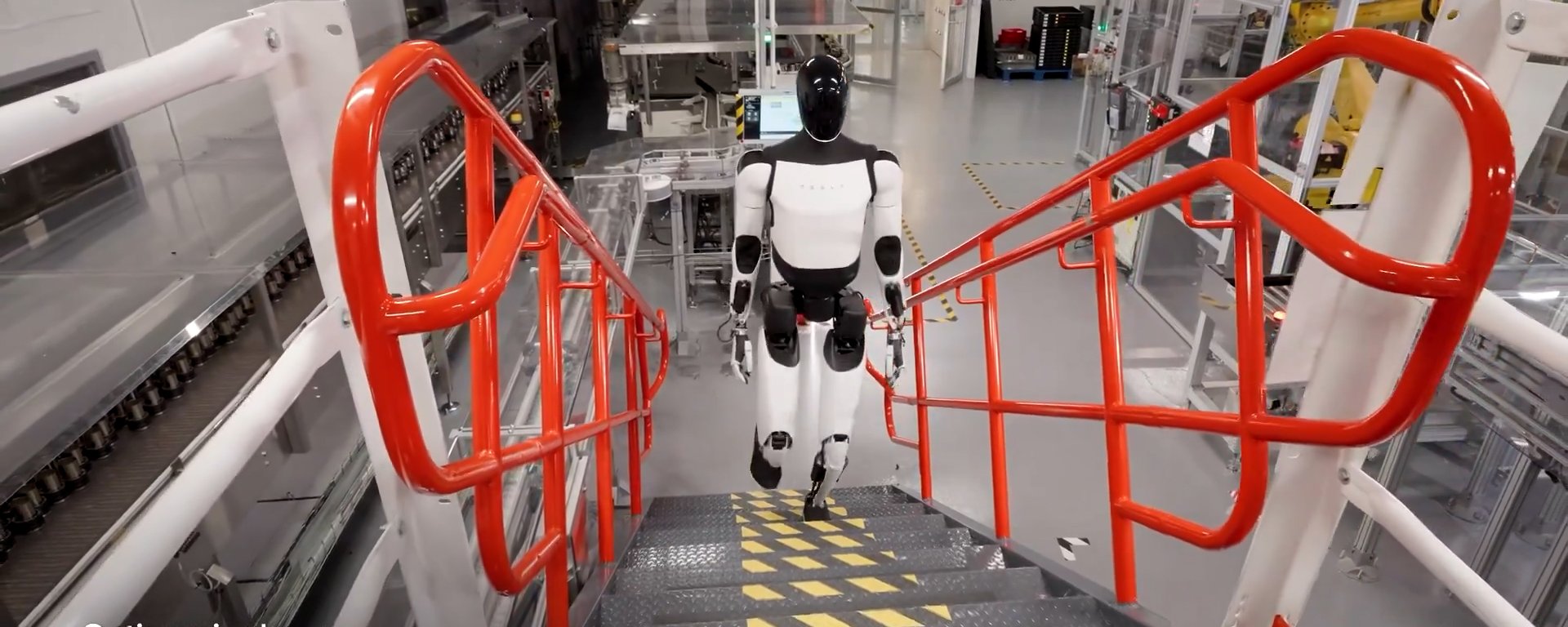
Humanoid robots, once restricted only to sci-fi movies and fiction, are now at the forefront of tech innovation. Leading this revolution is Elon Musk’s Tesla Bot, officially dubbed Optimus (or Tesla Optimus). Combining advanced AI with human-like mobility, this AI humanoid aims to transform industries and daily life. Let’s dive into Tesla’s ambitious project and what it means for the future of humanoid robotics.
Tesla’s Humanoid Revolution
Unveiled in 2021, the Tesla Optimus robot represents Elon Musk’s vision to address labor shortages and automate repetitive tasks. Designed to perform “dangerous, boring, or repetitive work,” Tesla Bot leverages the company’s expertise in AI, batteries, and autonomous systems. Standing 5’8” and weighing 125 pounds, Optimus aims to navigate human environments seamlessly.
Elon Musk envisions humanoid robots becoming as ubiquitous as cars, with production potentially starting by 2025. Source: Elon Musk’s post on X. The goal is to create affordable, multipurpose robots that assist in factories, homes, and even healthcare.
The Tech Behind Tesla’s AI Humanoid
Tesla Optimus relies on cutting-edge tech:
- AI & Neural Networks: Optimus uses the same Full Self-Driving (FSD) AI as Tesla cars, enabling real-time decision-making. Source: Tesla Optimus post.
- Sensors & Actuators: Cameras, ultrasonic sensors, and precise motors allow fluid movement and object interaction.
- Battery Tech: Tesla’s 2.3 kWh battery promises a full day of operation.
Compared to Boston Dynamics’ Atlas, Tesla Bot prioritizes affordability and scalability over acrobatic feats. This focus on practical AI humanoid design could accelerate real-world adoption.
Applications & Challenges of Tesla Humanoid Robots
Use Cases:
- Manufacturing: Assembly line tasks in Tesla factories.
- Healthcare: Lifting patients or delivering supplies.
- Household: Cooking, cleaning, and childcare support.
Challenges:
- Safety: Preventing malfunctions in human environments.
- Ethics: Addressing job displacement concerns.
- Public Trust: Overcoming skepticism about humanoid robots in daily life.
The Road Ahead for Humanoid Robotics
By 2030, Tesla Optimus could become a $20B market, per Musk. Advances in AI, materials, and energy storage will drive smarter, lighter AI humanoids. Competitors like Hyundai (Boston Dynamics) and startups will push innovation, but Tesla’s vertical integration gives it an edge.
Conclusion
Elon Musk’s robot, the Tesla Optimus, is more than a tech marvel—it’s a glimpse into a future where humanoid robots work alongside humans. While challenges remain, the potential to revolutionize industries is undeniable.
FAQ: Tesla Optimus Humanoid Robot
Q: What is the Tesla Optimus robot?
A: A general-purpose AI humanoid designed by Tesla to perform repetitive or hazardous tasks.
Q: When will Tesla Bot launch?
A: Prototypes are in testing; low production could begin by 2025 and high production in 2026. Source: Elon Musk’s post on X
Q: How much will Optimus cost?
A: Elon Musk estimates under $20,000—far cheaper than most industrial robots. Source: BBC.com