

Introduction
Bipedal robots, once confined to science fiction, are now stepping into reality—transforming industries like healthcare, logistics, and entertainment. Pioneered by giants like Boston Dynamics with their iconic Atlas robot, and democratized by innovators like EngineAI, these machines are redefining what’s possible. Whether you’re an engineer, a hobbyist, or a futurist, join us as we unpack the latest advancements in bipedal robotics, from cutting-edge bipedal mech designs to beginner-friendly DIY bipedal robot kits.
Section 1: The Evolution of Bipedal Robots
The journey of bipedal robots began with clunky prototypes but has since evolved into sophisticated systems like Boston Dynamics’ bipedal robot Atlas, known for its parkour skills and dynamic balance. These advancements have paved the way for platforms like Engine AI S2, a next-generation research tool enabling scientists to experiment with agile bipedal humanoid designs. Key milestones include:
- 2000s: Early humanoid robots like Honda’s ASIMO.
- 2010s: Boston Dynamics’ Atlas showcasing unprecedented mobility.
- 2020s: Open-source projects and affordable bipedal robot kits democratizing access.
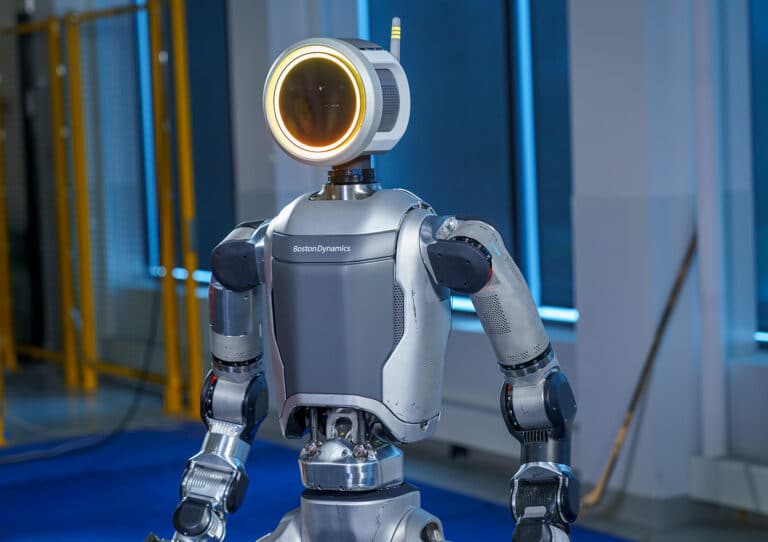
BostonDynamics Atlas
Section 2: Cutting-Edge Innovations in Bipedal Robotics
EngineAI’s PM01 & SA01 Models
EngineAI is pushing boundaries with its PM01 and SA01 bipedal robots. These models feature:
- Adaptive AI: Real-time terrain analysis for stable movement.
- Modular Design: Customizable limbs for industrial or research use.
- Affordability: Bridging the gap between premium systems (like Boston Dynamics bipedal robots) and hobbyist projects.
Explore EngineAI’s PM01 specs here.
Bipedal Mech: Beyond Humanoids
The term bipedal mech isn’t just for anime—think military exoskeletons or industrial robots mimicking human agility. Applications include:
- Military: Load-bearing exoskeletons for soldiers.
- Entertainment: Animatronic characters in theme parks.
- Healthcare: Rehabilitation robots aiding mobility.
Section 3: DIY & Open-Source Bipedal Robots
Building Your Own DIY Bipedal Robot
Affordable bipedal robot kits like Petoi Bittle or Robotis OP3 let hobbyists dive into robotics. Key steps:
- Choose a kit (under $500 for beginners).
- Program using Arduino or Raspberry Pi.
- Experiment with gaits and sensors.
Open Source Bipedal Robot Communities
Platforms like GitHub host open source bipedal robot projects, such as:
- Robot Operating System (ROS): Set of open source and common tools for robot development. See ROS site to get details.
- Popper Robotics: A 3D-printed, Arduino-powered robot.
- Open Dynamic Robot Initiative: Collaborative designs for researchers.
Explore Github Robotics community here.
Section 4: The Future of Bipedal Humanoid Robots
Experts predict bipedal humanoids will soon assist in:
- Caregiving: Helping the elderly with daily tasks.
- Logistics: Navigating warehouses autonomously.
Companies like EngineAI are already prototyping models for these roles, while startups explore AI-driven emotional interaction.
Conclusion
Bipedal robots are no longer a distant dream they’re here, reshaping industries and inspiring innovators. Whether you’re eyeing Boston Dynamics bipedal robot breakthroughs or a DIY bipedal robot project, the future of robotics is stepping forward. See article on Boston Dynamics Atlas.
FAQ Section
Q: What’s the best bipedal robot kit for beginners?
A: The Petoi Bittle offers a balance of affordability and functionality. See Petoi site for details.
Q: How does EngineAI’s SA01 differ from PM01?
A: The SA01 prioritizes industrial durability, while the PM01 focuses on AI adaptability.
Q: Are open-source bipedal robots reliable?
A: Yes! Communities like Open Dynamic ensure rigorous testing and updates. See Open Dynamic site and Github repo for more information.